

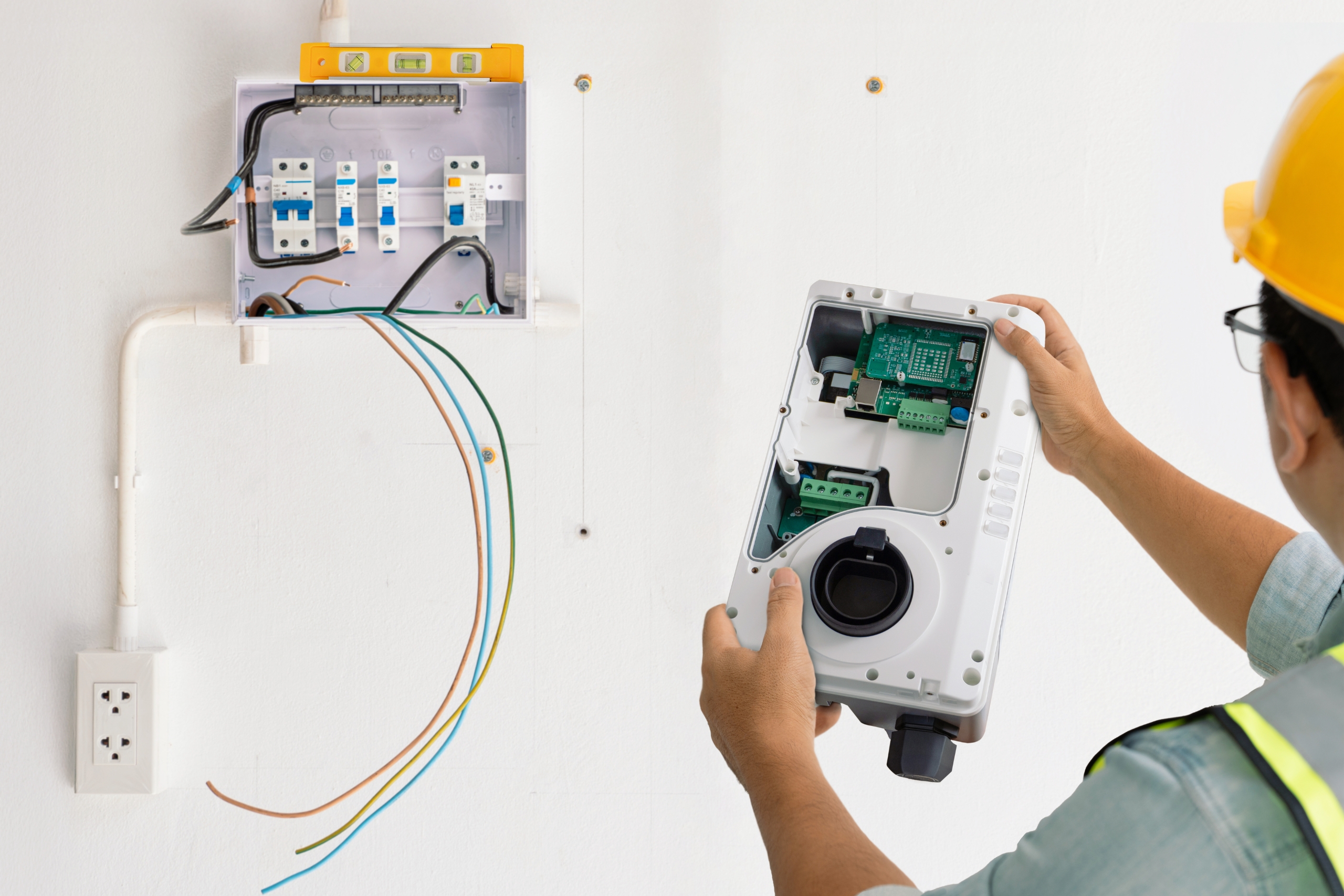
Electrical work is one of the most safety-critical aspects of any property, whether residential or commercial. Even minor errors can lead to serious consequences, including fire hazards, electric shock, or long-term system failures. As electrical systems become more advanced and regulations more stringent, the importance of professional standards has never been greater. This is why certification plays a vital role in electrical services. A certified electrician offers verified competence, regulatory compliance, and peace of mind for property owners. This article explores what electrical certification means, why it is essential for safe and compliant work, and how certified professionals contribute to long-term reliability and value. Understanding the significance of certification helps homeowners make informed decisions when selecting electrical services that prioritise safety and quality.
What Electrical Certification Represents
Electrical certification is a formal recognition that an electrician has met defined training, assessment, and regulatory requirements. It confirms that the professional possesses the technical knowledge and practical skills necessary to carry out electrical work safely.
Certification involves rigorous evaluation, including testing of installation methods, fault diagnosis, and compliance with current electrical standards. This process ensures electricians remain up to date with evolving regulations and best practices.
For property owners, certification provides assurance. It demonstrates that the electrician is accountable to recognised industry bodies and committed to maintaining high professional standards.
Safety and Compliance Through Certified Expertise
Safety is the primary reason certification is essential. Certified electricians follow strict procedures designed to minimise risk during installation and repair work. They understand how to assess hazards and implement appropriate protective measures.
Compliance with regulations is equally important. Electrical standards exist to protect occupants and properties, and certified professionals are trained to adhere to these requirements consistently. This reduces the likelihood of faults and ensures legal obligations are met.
Work carried out by certified electricians is documented and verified. This documentation provides reassurance that systems have been installed or repaired correctly and safely.
The Role of Certification in Electrical Installations
Electrical installations require precision and planning. Certified electricians design and implement systems that distribute power efficiently while maintaining safety. From wiring layouts to consumer unit configuration, each decision is informed by professional training.
Correct installation reduces the risk of future failures. Certified professionals understand load calculations, earthing requirements, and protective device placement, ensuring systems operate reliably.
This expertise is particularly important during upgrades or renovations. Certified electricians ensure new installations integrate seamlessly with existing systems without compromising safety or performance.
Protecting Property Value and Insurance Compliance
Electrical certification has a direct impact on property value and insurance considerations. Insurers often require proof that electrical work has been completed by qualified professionals. Certification provides this assurance.
In the event of property sale, documented electrical work enhances buyer confidence. Prospective buyers are more likely to trust properties with certified electrical installations, viewing them as safer and better maintained.
Failure to use certified professionals can result in complications, including invalid insurance claims or costly corrective work. Certification protects both financial and legal interests.
Professional Accountability and Ongoing Training
Certified electricians are accountable to governing bodies that oversee professional conduct and technical standards. This accountability encourages consistent quality and ethical practice.
Ongoing training is a key component of certification. Electricians must stay informed about regulatory changes, new technologies, and safety advancements. This continuous learning ensures services remain current and effective.
For clients, this commitment translates into confidence. A certified electrician brings both proven expertise and a dedication to professional development.
Choosing the Right Certified Professional
Selecting a certified electrician means choosing verified competence and reliability. Certification indicates that the professional has been independently assessed and approved to carry out electrical work safely.
Qualified electricians communicate clearly, provide transparent pricing, and deliver work that meets recognised standards. This professionalism builds trust and ensures long-term satisfaction.
By prioritising certification, property owners invest in safety, compliance, and lasting quality, making it a fundamental consideration when choosing electrical services.
Conclusion
Certification is a cornerstone of safe and reliable electrical work. It represents proven competence, regulatory compliance, and professional accountability. Certified electricians protect people, property, and investments through careful planning, precise execution, and adherence to standards. By choosing certified professionals, homeowners ensure electrical systems are installed and maintained to the highest level of safety and quality. In a field where errors can have serious consequences, certification provides essential assurance and long-term peace of mind.