

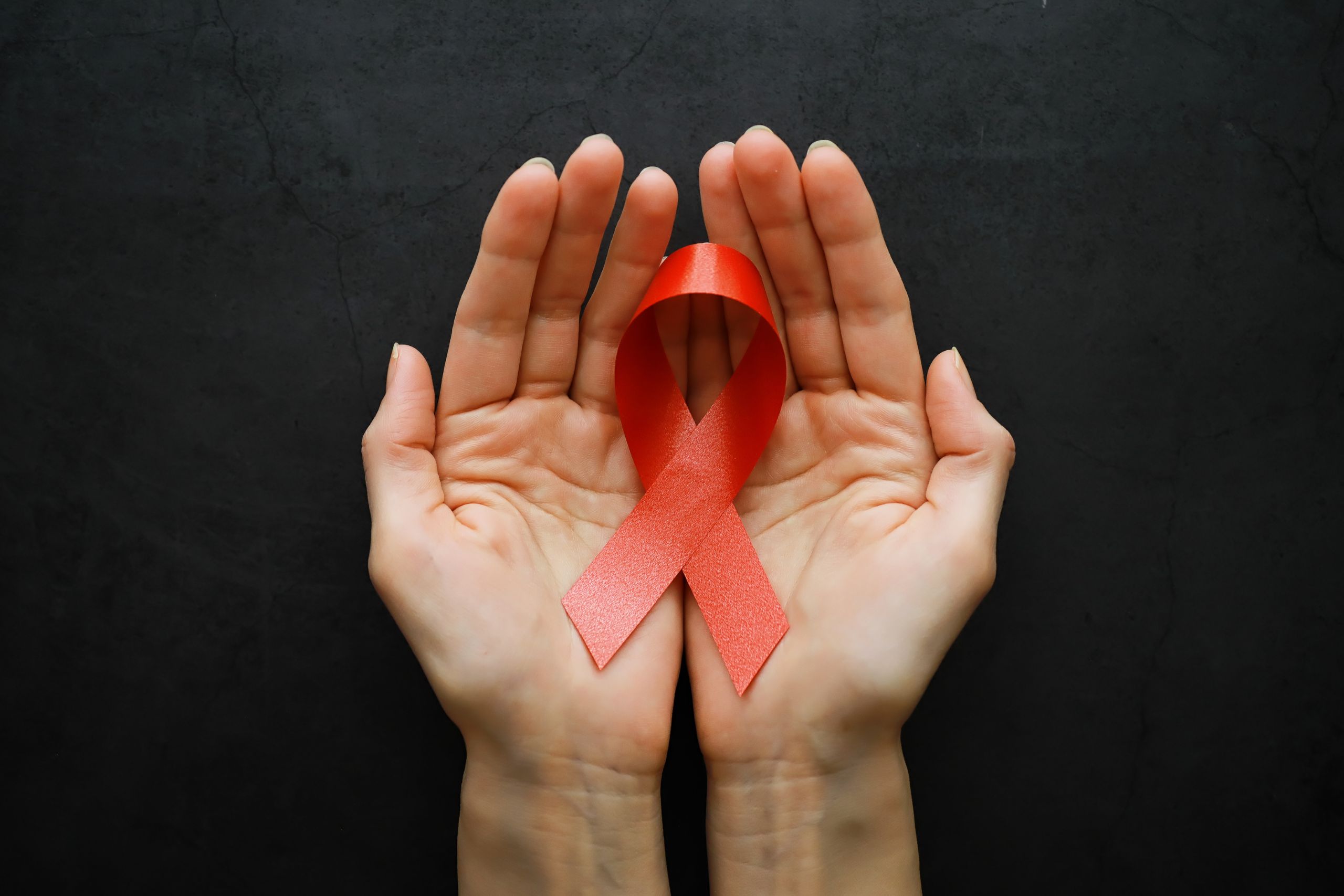
A Closer Look at HIV/AIDS in the Modern World and Why Awareness Still Matters
HIV/AIDS remains one of the most significant global health concerns, even as scientific advancements continue to expand treatment options and improve long-term outcomes. Over the past several decades, public health organizations, medical researchers, and community advocates have made remarkable progress in understanding how the virus works, how it spreads, and how it can be controlled. Despite this progress, misconceptions and stigma remain widespread, often hindering early detection and proper care.
Education remains the strongest tool in reducing transmission and supporting individuals who live with HIV. Modern medical science has transformed HIV from a once fatal diagnosis into a manageable chronic condition for many people. Treatments are more effective, prevention is more accessible, and global awareness campaigns continue encouraging testing and responsible behavior.
This article examines HIV/AIDS from a clear and compassionate perspective, focusing on symptoms, transmission, treatment breakthroughs, and practical prevention strategies. Through informed understanding, individuals and communities can help reduce stigma while promoting healthier, safer environments for everyone.
Identifying the Early and Chronic Symptoms of HIV Infection
Recognizing the symptoms of HIV is essential for early diagnosis, yet the virus often presents differently across individuals. Some experience intense flu-like symptoms shortly after infection, while others show no signs until the virus has advanced. Early symptoms may include fever, fatigue, sore throat, swollen lymph nodes, and body aches. These symptoms typically appear within weeks of exposure and are often mistaken for common viral illnesses, making professional testing the only reliable method of confirmation.
As HIV progresses, chronic symptoms may begin to surface. These can include prolonged fatigue, rapid weight loss, recurring infections, or persistent gastrointestinal issues. Without treatment, the immune system gradually weakens, increasing vulnerability to opportunistic infections that signal the transition to AIDS. This progression underscores the importance of timely medical attention and routine testing, especially for individuals at higher risk.
Understanding the wide range of symptoms encourages earlier detection and ensures patients receive appropriate evidence-based health guidance, improving long-term outcomes and quality of life through early treatment intervention.
How HIV Is Transmitted and Why Prevention Requires Consistent Awareness
HIV spreads through specific bodily fluids, including blood, semen, vaginal secretions, rectal fluids, and breast milk. Unprotected sexual contact remains the most common mode of transmission worldwide, though sharing needles or syringes also poses significant risk. The virus does not spread through casual contact, air, water, or everyday physical interactions, despite persistent myths that contribute to social stigma.
Prevention requires continuous education. Consistent condom use, regular testing, and open communication between partners significantly reduce transmission risk. Medical advances such as PrEP (pre-exposure prophylaxis) provide additional protection, especially for individuals at increased risk. When taken as prescribed, PrEP dramatically lowers the likelihood of contracting HIV during sexual activity or needle exposure.
Healthcare organizations emphasize that awareness is central to prevention. Understanding how the virus spreads—and how it does not—helps communities create safer environments and encourages individuals to take proactive steps that protect themselves and others.
Modern Treatment Options and How Antiretroviral Therapy Transformed HIV Care
Antiretroviral therapy (ART) remains the cornerstone of HIV treatment. These medications suppress the virus, allowing the immune system to rebuild and reducing the viral load to undetectable levels. When a person’s viral load becomes undetectable, they cannot transmit HIV through sexual contact—a concept known as U=U (Undetectable equals Untransmittable). This scientific milestone has dramatically shifted global awareness and reduced stigma for individuals living with HIV.
Modern ART regimens are more effective and easier to manage than early treatments. Most patients take a single pill once a day, with minimal side effects compared to older medications. Early access to ART prevents long-term complications and significantly improves life expectancy, allowing individuals to live healthy, productive lives.
The continued development of long-acting injectables and simplified treatment plans provides additional flexibility. As technology evolves, HIV treatment becomes increasingly customizable, helping patients maintain consistent care with fewer daily responsibilities.
Prevention Tools Including Testing, PrEP, and PEP
Regular testing plays a crucial role in HIV prevention, especially since many individuals may carry the virus without symptoms. Early detection ensures fast access to treatment and prevents further transmission. Community clinics, hospitals, and outreach programs promote accessible testing to encourage routine screening.
PrEP (pre-exposure prophylaxis) and PEP (post-exposure prophylaxis) are two major medical advancements supporting prevention. PrEP offers long-term protection for individuals at higher risk, while PEP is an emergency treatment taken within 72 hours of potential exposure. Both tools help reduce new cases when paired with safe practices and consistent medical oversight.
These strategies highlight the importance of staying informed through trusted educational platforms. When individuals and communities understand available tools and use them responsibly, the rate of new infections declines significantly. Such efforts strengthen global health initiatives and contribute to safer public environments.
Reducing Stigma and Supporting Individuals Living With HIV
Stigma continues to be a major barrier preventing people from seeking testing, treatment, or support. Misconceptions surrounding HIV often lead to discrimination, social isolation, or fear of disclosure. Reducing stigma requires compassion, accurate information, and open dialogue—both in personal relationships and public health messaging.
Support networks, advocacy organizations, and healthcare professionals play a critical role in creating safe spaces where individuals feel respected and understood. Encouraging honest conversations and promoting inclusive education helps dismantle outdated beliefs. Scientific progress, such as U=U, empowers individuals living with HIV to live confidently, without fear of mistreatment.
These values align closely with the mission of a comprehensive public awareness resource, ensuring that accurate information reaches the people who need it most. When communities replace stigma with understanding, they create an environment where prevention thrives and individuals feel supported throughout their healthcare journey.
Conclusion
HIV/AIDS remains a significant global health issue, yet the progress achieved in treatment, prevention, and long-term care marks one of the most remarkable medical advancements of the modern era. By understanding symptoms, recognizing transmission risks, accessing reliable testing, and embracing tools such as ART, PrEP, and PEP, individuals can take meaningful steps toward protection and early intervention. Equally important is the collective responsibility to reduce stigma, support those living with HIV, and encourage accessible education for all communities. With compassion, scientific awareness, and continued investment in public health, society can foster safer, more informed environments where individuals receive the care and respect they deserve. Through responsible action and shared understanding, the world moves closer to a future where HIV transmission is minimized, and those living with the virus thrive with dignity and confidence.