

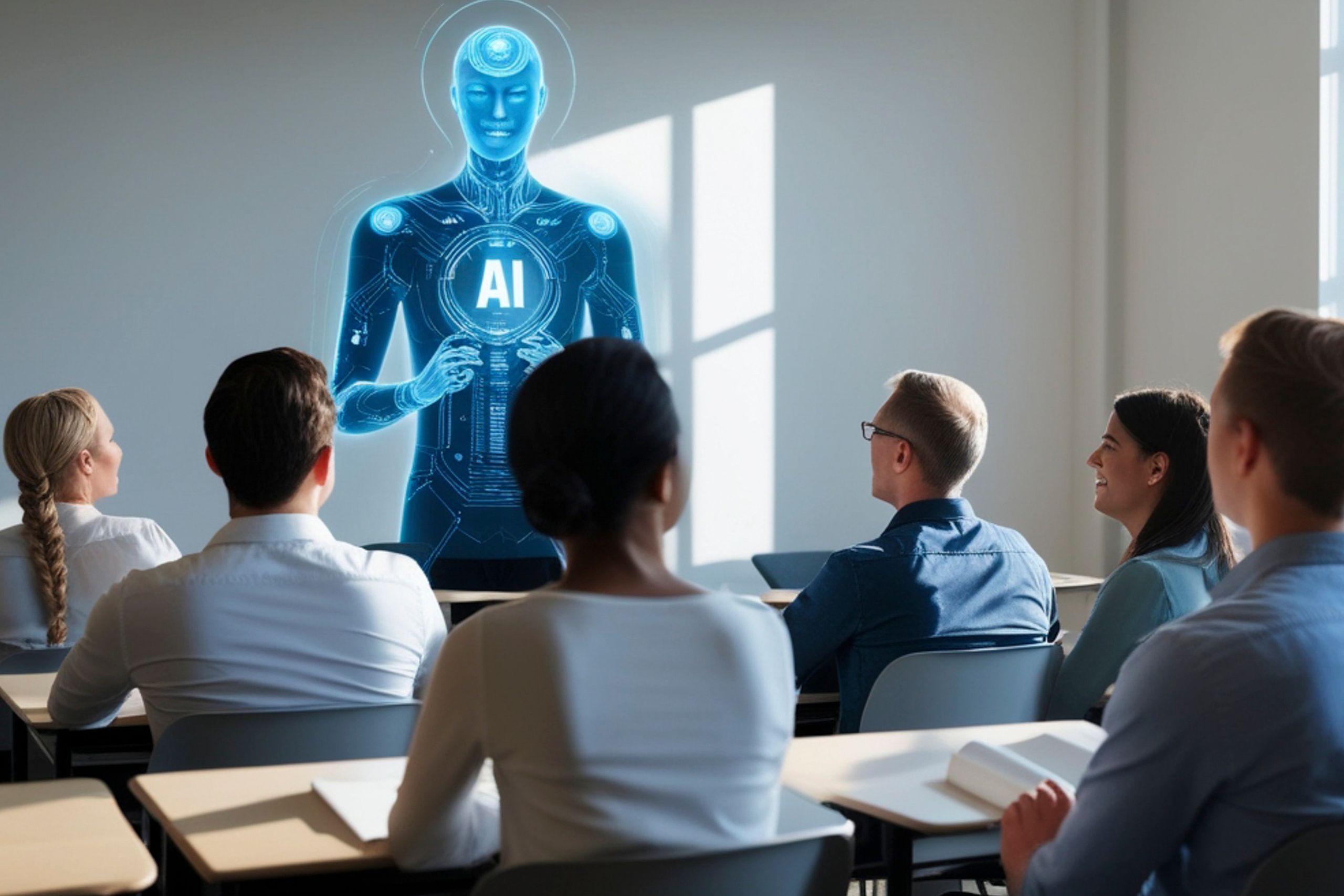
How AI Is Reshaping the Learning Experience and Challenging Traditional Education Models
Artificial intelligence has entered classrooms around the world, creating a wave of transformation that continues to shape how students learn, teachers operate, and schools manage daily activities. This shift is not simply about automation; it represents a new era where technology actively supports personalized education, offering tools that respond to individual learning styles and pace. As AI becomes more accessible, educational environments increasingly adopt systems that enhance engagement, reduce administrative burdens, and expand the possibilities of digital learning.
Still, the adoption of AI raises important questions about academic integrity, data privacy, and long-term reliance on technology. Educators and parents must balance innovation with responsibility, ensuring that students benefit from digital tools without sacrificing critical thinking or ethical awareness. The goal is not merely to introduce advanced systems into classrooms but to understand how they truly affect student development.
This article explores both the advantages and challenges of integrating artificial intelligence into education, providing a balanced view of how AI reshapes academic settings and influences the future of learning.
Personalized Learning: How AI Tailors Education to Individual Student Needs
One of the most celebrated advantages of AI in education is the ability to personalize learning. Traditional classrooms often struggle to accommodate different comprehension speeds and learning preferences, but AI-driven platforms analyze student performance in real time to offer customized guidance. These systems recommend practice exercises, adjust difficulty levels, and deliver feedback that aligns with each student’s unique progress.
Personalization benefits students who need additional support as well as those who excel and require more advanced materials. Instead of feeling left behind or unchallenged, learners experience a balanced path that reflects their evolving needs. This adaptability helps reduce academic stress and boosts confidence as students see tangible improvement.
These advancements highlight the ongoing rise of educational technology innovations, which blend data-driven insights with supportive learning environments. When used responsibly, personalized learning tools reinforce understanding, strengthen foundational skills, and help students develop a more positive relationship with education.
Improved Efficiency for Teachers and Streamlined Classroom Management
Teachers face an increasing number of responsibilities—from grading and lesson planning to administrative reporting and student communication. AI simplifies many of these tasks by automating routine processes. Intelligent grading systems evaluate objective assignments quickly, allowing educators to focus on more meaningful interactions such as mentoring, discussion-based learning, and curriculum development.
Classroom management tools powered by AI help track attendance, monitor student engagement, and identify early signs of academic struggle. These insights allow teachers to intervene sooner, offering targeted support that prevents students from falling behind. Additionally, AI helps organize digital materials, schedule assessments, and coordinate learning resources, reducing the workload that often contributes to burnout.
Rather than replacing teachers, AI strengthens their ability to facilitate deeper, more impactful learning experiences. By alleviating administrative pressure, educators gain more time to build meaningful relationships and foster critical thinking among their students.
Accessibility Advancements: Supporting Students With Diverse Learning Needs
AI-driven accessibility tools play a vital role in creating inclusive learning environments. Speech recognition software, predictive text, real-time translation, and screen readers enable students with disabilities to participate more fully in classroom activities. These tools break down barriers that once prevented equal access to educational content, offering greater independence and confidence to students who rely on adaptive support.
For multilingual learners, AI-powered translation tools help bridge communication gaps, enabling them to understand lessons more clearly and engage more actively. Visual and auditory aids also help students who struggle with traditional classroom materials, giving them alternative pathways to absorb information.
As schools become more diverse, accessibility tools ensure every student has the opportunity to succeed. These technologies expand learning beyond physical constraints and align with global efforts to promote inclusivity across every educational setting.
Concerns About Academic Integrity and Overreliance on Technology
Despite the many benefits of AI, concerns about academic integrity have grown significantly. Tools capable of generating writing, solving equations, or analyzing complex topics may tempt students to rely on technology rather than developing their own skills. Educators now face the challenge of distinguishing between authentic work and AI-assisted submissions, prompting conversations about fair use and responsible learning practices.
Overreliance on AI may also weaken problem-solving ability if students use automated tools without understanding the underlying concepts. Schools must emphasize digital literacy, teaching students when AI is helpful and when it undermines learning goals. Ethical considerations—including data privacy, algorithmic bias, and transparency—must also be addressed to protect students from unintended consequences.
Balancing technological support with genuine skill development is essential. Classrooms that openly discuss proper usage help students build responsible habits that support long-term academic and professional success.
The Future of AI-Enhanced Learning and What Students Should Expect
The role of AI in education will continue to expand, introducing tools that offer deeper analytics, immersive learning environments, and predictive academic pathways. Virtual tutors, adaptive textbooks, and real-time comprehension tracking represent only the beginning of this technological wave. Students will likely experience more hybrid models of learning that blend human instruction with intelligent systems designed to reinforce understanding.
These advancements allow educators to anticipate student needs before challenges become overwhelming. Instead of reacting to poor performance, teachers can proactively support learners based on patterns identified by AI. Meanwhile, gamified learning systems, simulation platforms, and collaborative digital spaces open new opportunities for exploration and creativity.
This progression aligns with the vision of a leading digital knowledge platform, where technology enriches learning while educators provide context, empathy, and critical thinking guidance. The future of AI in education depends not on the technology alone but on how schools and communities choose to implement it responsibly.
Conclusion
Artificial intelligence is reshaping the academic landscape by offering unprecedented advantages in personalization, accessibility, efficiency, and instructional support. At the same time, these developments raise important questions about ethical usage, academic honesty, and long-term cognitive development. By embracing AI as a tool rather than a replacement for human instruction, educational systems can create balanced environments that nurture curiosity, independent thinking, and skill mastery. The future of AI in the classroom depends on maintaining this equilibrium—leveraging technology to enhance learning while preserving the integrity and creativity that define meaningful education. Through thoughtful adoption and responsible oversight, students can benefit from a learning ecosystem that combines innovation with human-centered teaching, preparing them for a world where digital fluency and critical thinking are equally essential.